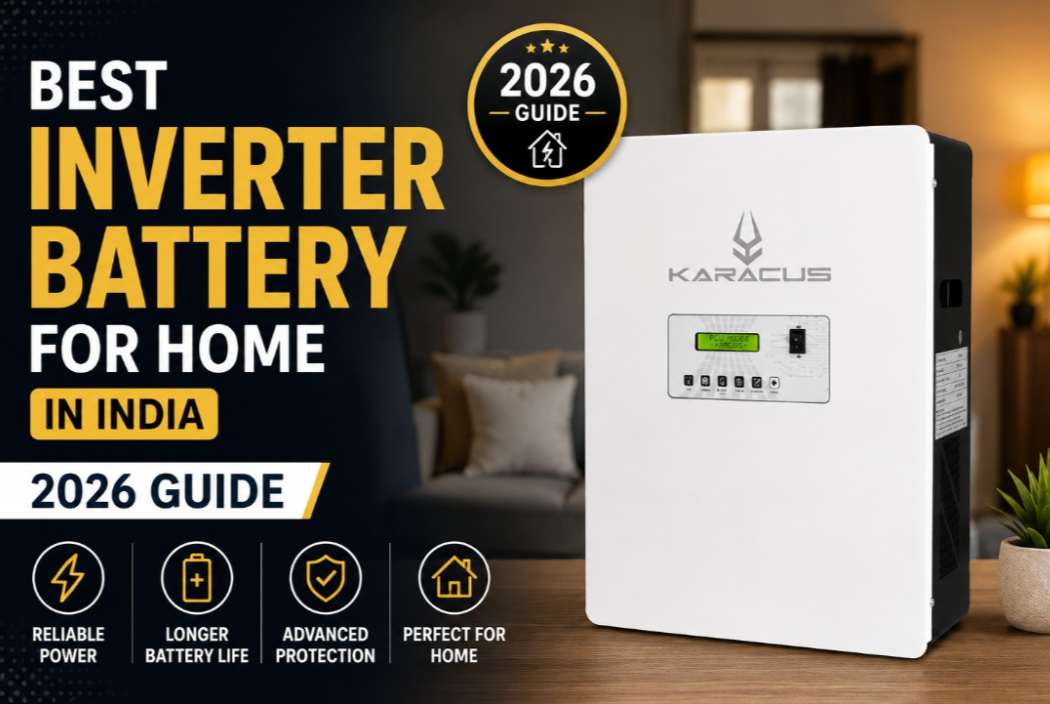


When the power is out, it can be inconvenient, particularly if you rely on electricity to complete your work, study, use appliances, or other daily activities. Traditionally, lead-acid batteries have been used in conjunction with inverters, but the lithium inverter battery type is gaining ground due to its improved efficiency, durability, and zero maintenance.
First of all, though, what is a lithium inverter battery, and why should you consider changing to one? Let’s understand.
What Is a Lithium Inverter Battery?
A lithium inverter battery is a battery that stores electrical energy and can be used to supply backup power via an inverter. Lithium batteries are typically lithium-ion batteries and are known for their ability to store and release energy efficiently in a compact size, unlike traditional lead-acid batteries.
They can be used in residential, commercial, retail, and other settings that demand dependable backup power.
How Does a Lithium Inverter Battery Work?
The working process is easy. If electricity is present, the inverter recharges the lithium battery, which stores the energy for future use. When the power goes down, the inverter uses the energy stored in the battery and translates it into a usable power supply for all related appliances.
A built-in Battery Management System (BMS) is responsible for monitoring essential parameters like voltage, temperature, and charging conditions. This helps to enhance battery safety and mitigate common operating problems.
Benefits of a Lithium Inverter Battery
1. Longer Battery Life
One of the biggest advantages of lithium technology is its longer cycle life compared with many traditional lead-acid batteries. With proper usage, a lithium battery can provide reliable performance for years.
2. Faster Charging
Lithium batteries can typically charge faster than conventional batteries. This means your backup system can become ready for the next power outage in less time.
3. Zero Maintenance
Traditional lead-acid batteries may require regular maintenance, including checking water levels in certain battery types. Lithium inverter batteries are generally maintenance-free, making them convenient for busy households and businesses.
4. Compact and Lightweight
Lithium batteries usually offer a higher energy density, allowing manufacturers to provide substantial backup capacity in a smaller and lighter package. This makes installation easier, especially where space is limited.
5. Better Energy Efficiency
A lithium inverter battery can provide efficient charging and discharging, helping reduce energy losses during operation. This can contribute to better overall inverter performance.
6. Improved Backup Experience
With efficient power delivery, fast charging, and zero maintenance, lithium technology can offer a more convenient backup-power experience for modern homes and workplaces.
Why Is a Lithium Inverter Battery Better?
Your power needs, budget, and how you use the battery and inverter dictate which battery you need. If you want long-lasting performance, maintenance-free and quick charging, compact size, and efficient energy storage, however, a lithium inverter battery may be a good choice over the standard lead-acid battery.
Final Thoughts
A lithium inverter battery is not just a backup power solution; it’s a contemporary energy storage system crafted for ease and effectiveness. The ever-growing demand for reliable power backup solutions that are easy to operate and maintain is making lithium technology a promising option for residential and commercial applications.
Website: https://shopkaracus.com/