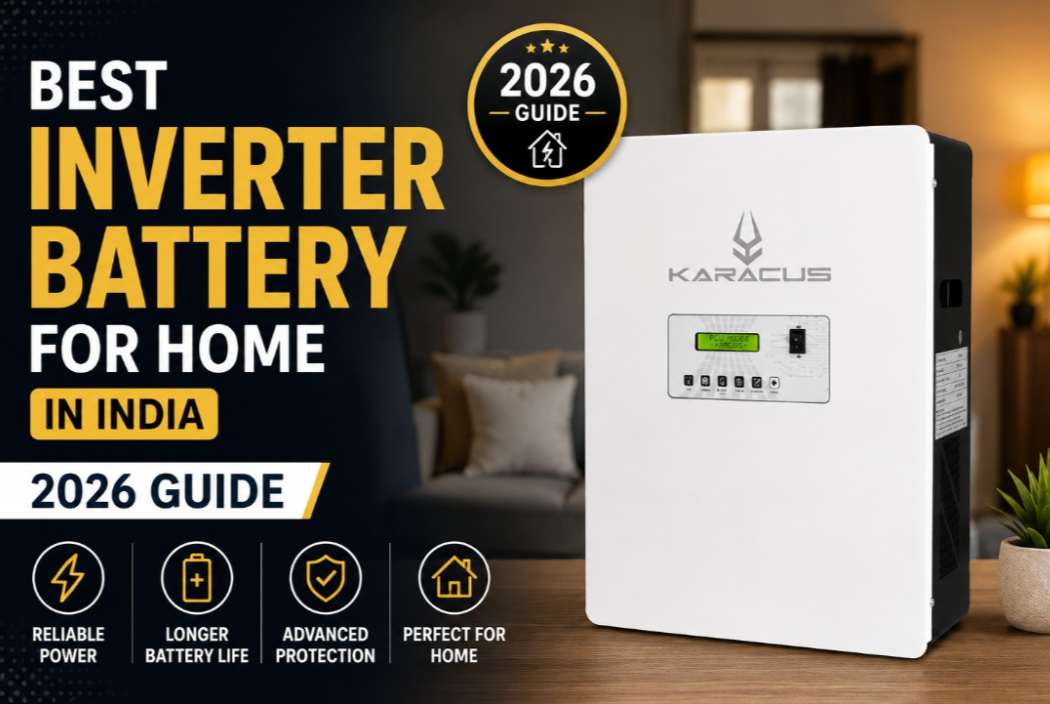


Though power outages remain a worry in numerous parts of India, a trustworthy home inverter is a key component of daily life. Although lead-acid batteries have been around for quite some time, lithium inverter batteries are slowly gaining popularity due to their greater efficiency, durability, and ease of maintenance.
When you are considering upgrading your home power backup, having an understanding of the lithium batteries and their differences can make a smarter decision for you.
What Is a Lithium Inverter Battery?
A lithium inverter battery is a rechargeable battery that stores electrical energy and provides backup power via an inverter. Lithium batteries are typically lithium-ion batteries, which are able to store more energy in a compact and lightweight design as opposed to conventional lead-acid batteries.
They can be used in homes, apartments, offices, and other places that need reliable backup power.
Why Choose a Lithium Battery for Your Inverter?
1. Longer Battery Life
One of the biggest advantages of lithium batteries is their longer cycle life. With proper usage and charging, they can typically last significantly longer than conventional lead-acid batteries.
2. Faster Charging
Lithium batteries can generally charge faster than traditional batteries. This can be particularly useful in areas where power supply is available for shorter periods.
3. Zero Maintenance
Unlike lead-acid batteries, lithium batteries do not require regular water topping-up. This makes them a convenient option for homeowners who prefer a zero-maintenance backup system.
4. Compact and Lightweight
A lithium battery can offer a high energy-to-weight ratio, allowing you to get substantial backup capacity without installing a large and heavy battery.
5. Better Usable Capacity
Lithium batteries can generally provide a greater portion of their rated capacity for everyday use while maintaining good performance, depending on the battery’s specifications and battery-management system.
How to Choose the Right Lithium Inverter Battery?
Before purchasing a battery, consider your home’s backup requirements. Start by calculating the appliances you want to operate during a power cut, such as fans, lights, Wi-Fi routers, televisions, or computers.
You should also check:
- Battery capacity and voltage
- Inverter compatibility
- Expected backup duration
- Charging time
- Battery warranty
- Battery Management System (BMS)
- Manufacturer and after-sales support
- Installation requirements
Choosing the right capacity is important because an undersized battery may not provide sufficient backup, while an unnecessarily large battery can increase your initial investment.
Lithium vs. Lead-Acid Batteries
The difference is mainly convenience, longevity, maintenance, weight, and initial cost. The initial cost of lead-acid batteries is generally cheaper, while lithium batteries generally have a longer lifespan, charge faster, and require zero maintenance.
For homeowners who desire a modern and convenient backup solution, lithium technology may be an appealing long-term solution.
Is a Lithium Inverter Battery Worth It?
A lithium inverter battery may be a valuable purchase for many Indian homes, particularly if long battery life, zero maintenance, compact size, and efficient charging are key requirements.
The selection of the best option, however, will depend on your power consumption, whether you can use a different inverter, how much money you have to spend, and how long you need the power to last. Always check the battery specifications and manufacturer recommendations before making a purchase.
Final Thoughts
The lithium inverter battery can make home power backup more efficient, convenient, and easier to manage. Lithium batteries are increasingly a viable replacement for traditional backup batteries in India for their durability, rapid charging capability, compact design, and reduced upkeep.
When purchasing, consider capacity, compatibility, warranty, safety features, and long-term value as well as the cost.